Skip to content
MAYDUS
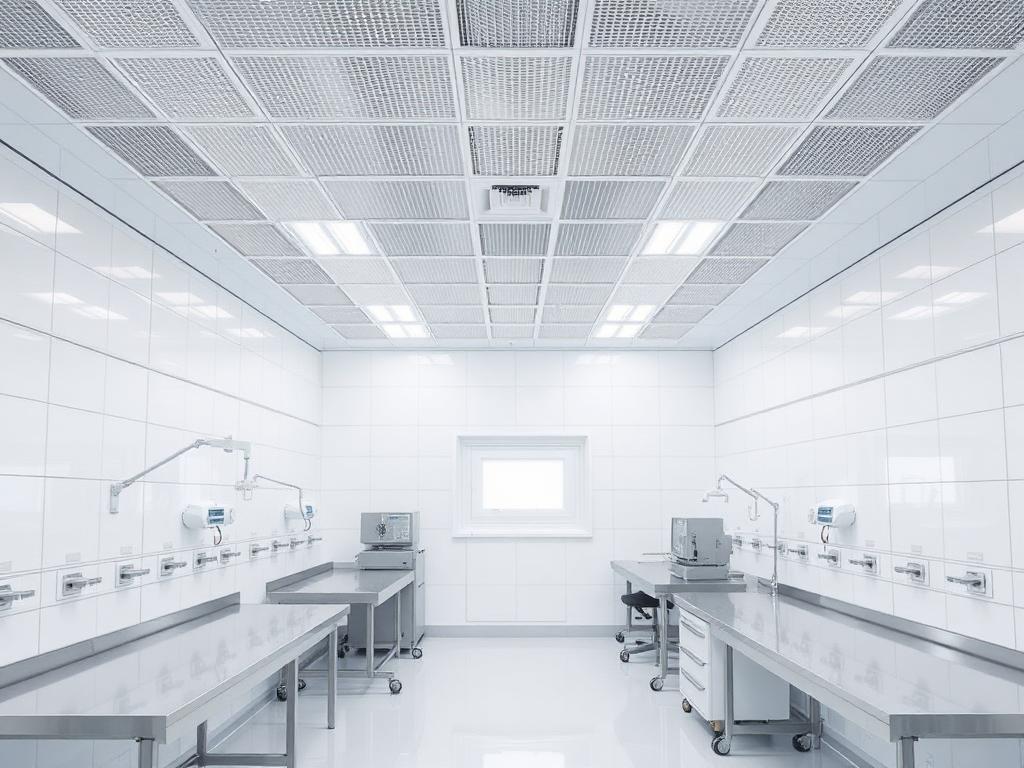
Representative cleanroom production bay with filtered ceiling, stainless work surfaces and seamless flooring

Technical reference

ISO cleanroom classifications, explained

ISO 14644-1 classifications describe permitted concentrations of airborne particles measured under defined conditions. They do not describe finishes, equipment, or how a room looks.

Representative environment

How to read this page

Lower class numbers permit fewer airborne particles, so ISO Class 5 is cleaner than ISO Class 8. Higher-numbered classes are frequently the right answer — the goal is the class your process actually requires, not the lowest number available.

Each entry below summarises what the class describes, where it is typically applied, and what it usually means for construction. This is educational guidance, not a compliance document; verification always comes from testing performed by qualified parties.

Classes 1 through 9

Classification reference

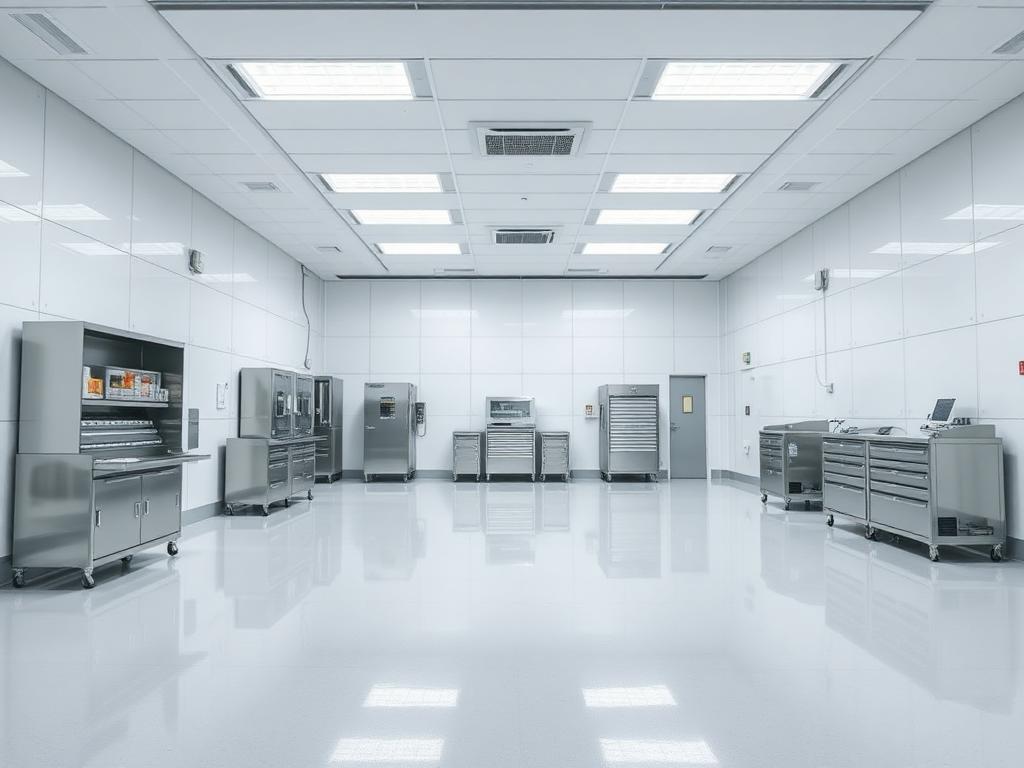
Representative cleanroom bay with full filtered ceiling coverage, polished light gray flooring and stainless tool enclosures

Representative environment

ISO Class 1

Most stringent of the classifications defined in ISO 14644-1.

Typical use

Highly specialized research and semiconductor-adjacent processes with extreme sensitivity to sub-micron particles.

What it means for construction

Full filtration coverage, unidirectional airflow, and extremely tight envelope and penetration detailing. Every joint, fastener, and interface is a design decision.
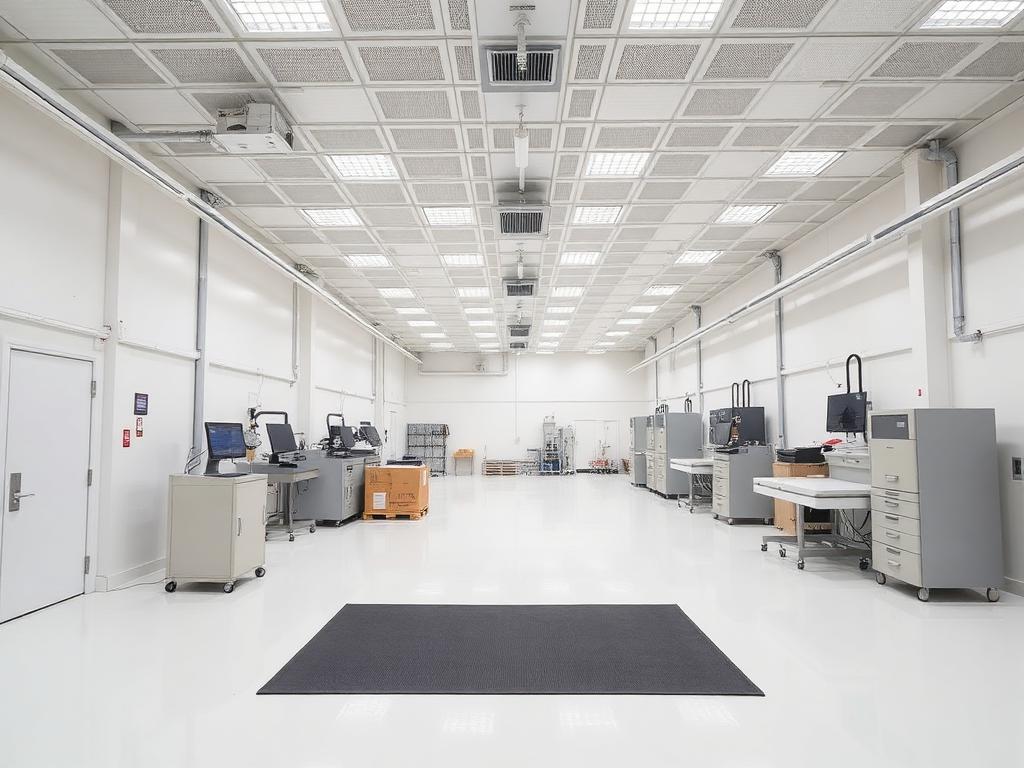
Representative high-cleanliness cleanroom interior with continuous filtered ceiling and reflective seamless floor

Representative environment

ISO Class 2

Extremely low airborne particle concentrations.

Typical use

Advanced semiconductor, photonics, and specialized metrology environments.

What it means for construction

Unidirectional airflow with near-complete filter coverage, raised or perforated floor strategies, and rigorous construction protocol from first mobilization.

Representative precision manufacturing cleanroom with filtered ceiling grid and stainless equipment enclosures

Representative environment

ISO Class 3

Very low airborne particle concentrations.

Typical use

Semiconductor and precision optics work, and selected aerospace and defense processes.

What it means for construction

High filter coverage, tightly controlled pressure cascade, and gowning sequences that separate the room from all adjacent space.

Representative medical device assembly cleanroom with white wall panels, filtered ceiling grid and stainless benches

Representative environment

ISO Class 4

Low airborne particle concentrations with substantial filtration coverage.

Typical use

Precision electronics, optics assembly, and sensitive medical device processes.

What it means for construction

Flush gasketed ceiling systems, sealed penetrations, coved or integral-base flooring, and coordinated pass-through and airlock design.

Representative controlled processing room with filtered ceiling coverage, sealed wall panels and stainless work surfaces

Representative environment

ISO Class 5

A widely specified classification for critical processing zones.

Typical use

Medical device manufacturing, aseptic processing zones, pharmaceutical and biotechnology work, and precision assembly.

What it means for construction

Significant filter coverage, defined pressure relationships, gowning and material airlocks, and cleanable non-shedding surfaces throughout.

Representative assembly cleanroom with panel walls, filtered ceiling and gowning window

Representative environment

ISO Class 6

Moderately stringent airborne particle limits.

Typical use

Medical device assembly, electronics, and support space adjacent to more critical zones.

What it means for construction

Partial filter coverage with careful diffuser placement, sealed envelope construction, and controlled entry sequence.

Representative controlled assembly area with sealed ceiling, filtered supply diffusers and white epoxy flooring

Representative environment

ISO Class 7

A common classification for controlled production and support areas.

Typical use

Medical device manufacturing, packaging, aseptic support space, and precision assembly with moderate particle sensitivity.

What it means for construction

Filtered supply with defined air change rates, sealed ceilings and walls, coved flooring, and gowning at entry.

Representative controlled packaging area with sealed ceiling grid, epoxy floor and equipment along the perimeter

Representative environment

ISO Class 8

Controlled but less stringent airborne particle limits.

Typical use

Packaging, material staging, warehousing adjacent to controlled space, and general controlled manufacturing.

What it means for construction

Filtered air with lower change rates, cleanable finishes, sealed penetrations, and controlled entry with sticky mats or an anteroom.

Representative controlled buffer space with smooth cleanable finishes, sealed ceiling and entry matting

Representative environment

ISO Class 9

Least stringent classification defined in ISO 14644-1.

Typical use

Controlled buffer, staging, and transition space supporting cleaner areas; light controlled manufacturing.

What it means for construction

Cleanable finishes, defined housekeeping, sealed transitions to cleaner areas, and pressure relationships that protect adjacent classified space.

ISO FAQ

Certification scope and cleanroom compliance questions

Plain-language answers on what an ISO classification means, what Maydus is responsible for, and where independent testing and your quality system take over.

Our certification scope

Maydus constructs and delivers cleanroom environments designed around the ISO classification your process requires. Maydus does not independently provide ISO certification; required testing and third-party certification are coordinated as part of the project.

Maydus' certification scope

Where our responsibility starts and stops on a classified project, stated plainly.

No. Maydus constructs and delivers cleanroom environments designed around the ISO classification your process requires. We do not independently provide ISO certification. Required testing and third-party certification are coordinated as part of the project and performed by qualified independent parties.

Classification basics

What an ISO class number means, and what it does not mean.

ISO 14644-1 classifications describe permitted concentrations of airborne particles at specified particle sizes, measured under defined conditions. A classification is a measured air cleanliness result — it is not a description of finishes, equipment, or how a room looks.

Compliance and adjacent standards

How ISO 14644-1 relates to the regulatory requirements you may also carry.

ISO 14644-1 is a classification standard for airborne particulate. Regulatory frameworks such as FDA expectations, GMP, and USP chapters cover far more — procedures, monitoring, personnel, records, and product-specific controls — and often reference cleanliness classes within those larger requirements. Meeting a class is one input to compliance, not compliance itself. Your quality and regulatory team owns the framework; we build the space to support it.

Planning a classified project

The questions that come up before a class, a scope, or a budget is settled.

That is common early on. Describe the process, the product, and any customer or internal requirements you have been given. Planning can proceed with a candidate range, and the envelope and mechanical scope can be priced across two options until the requirement is confirmed.

Keep reading

Related guidance

Start a conversation

Not sure which class your process requires?

Describe the process and any requirement you have been handed. We will tell you what still needs to be confirmed before a class and a budget are worth circulating.